Mediation preparation in Washington State requires gathering relevant documents, clarifying your goals and priorities, understanding your alternatives to a negotiated agreement, and approaching the process with realistic expectations about compromise.
Effective preparation helps you communicate clearly, respond thoughtfully to proposals, and make informed decisions during mediation sessions rather than feeling pressured or overwhelmed.
Whether facing family law mediation, a business dispute, or another civil conflict, thorough preparation significantly improves your chances of reaching a fair resolution. Bridges Dispute Resolution provides experienced mediation services for civil disputes throughout Washington State.
Contact Bridges Dispute Resolution in Seattle at (206) 621-1110 or Tacoma at (253) 327-6778 to schedule a mediation consultation.
Key Takeaways About Preparing for Mediation in Washington
- Successful mediation preparation involves collecting relevant financial documents, correspondence, and evidence that supports your position while identifying your priorities and acceptable compromise ranges before the session begins
- Understanding your BATNA (best alternative to a negotiated agreement) helps you evaluate settlement proposals realistically and recognize when walking away serves your interests better than accepting unfavorable terms
- Washington mediation remains confidential under state law, allowing you to speak openly about settlement possibilities without those statements being used against you if mediation fails and litigation continues
What to Expect From Mediation in Washington State
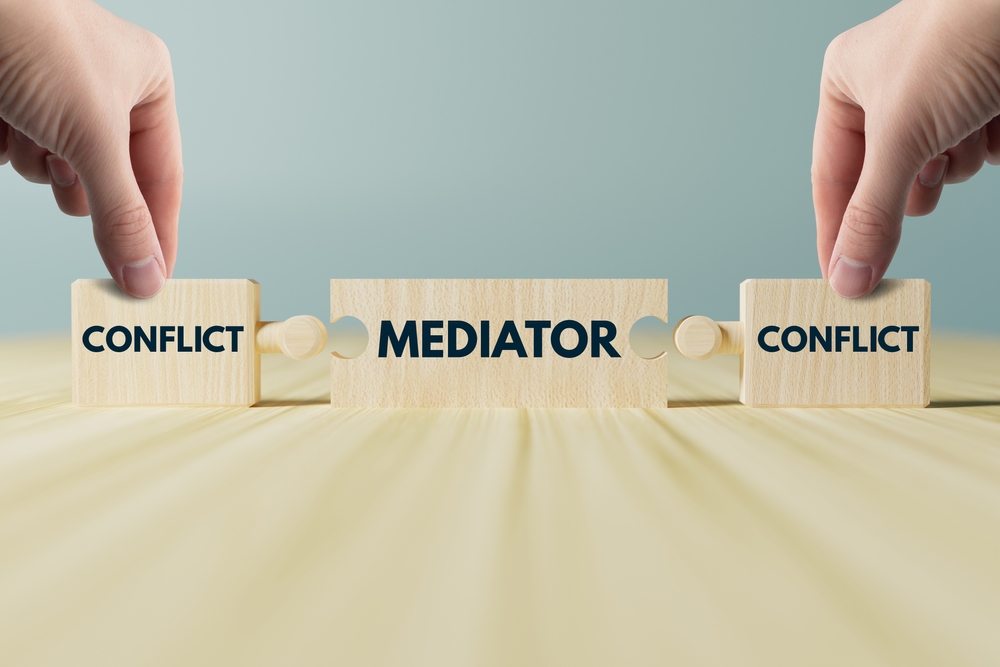
Washington mediation brings disputing parties together with a neutral mediator who facilitates negotiation without imposing decisions. The mediator guides discussions, helps clarify issues, and encourages creative solutions, but parties retain complete control over whether to settle and on what terms.
Washington's Uniform Mediation Act (Chapter 7.07 RCW) protects mediation communications as confidential, meaning statements made during mediation generally cannot be used as evidence in court. This confidentiality encourages honest discussion about settlement possibilities without fear of damaging your position if mediation fails.
Mediation in Washington may be voluntary, court-ordered, or required by contract. Washington family law cases involving parenting plans typically require mediation before trial under RCW 26.09.015. Many Washington superior courts also order mediation in civil cases before allowing trials to proceed.
Prepare Step-by-Step for Your Washington Mediation
Effective mediation preparation follows a structured approach that covers documentation, strategy, and logistics. These six steps help you enter mediation confidently, organized, and ready to negotiate productively toward a fair resolution.
Step 1: Gather Essential Documents and Information
Document preparation forms the foundation of effective mediation. Arriving with organized, relevant information allows you to reference specific facts, respond to proposals with accurate data, and demonstrate the strength of your position.
Collect financial documents, including bank statements, tax returns, pay stubs, property valuations, and records of expenses or losses related to your dispute. Family law mediations require detailed financial disclosure, including income verification, asset lists, debt statements, and child-related expenses.
Gather all correspondence, contracts, agreements, or communications relevant to the dispute. Email threads, text messages, and written notices often clarify timelines, commitments, or misunderstandings that led to the conflict. Evidence supporting your claims (photographs, medical records, repair estimates, expert reports, or witness statements) strengthens your negotiating position.
You should also create a chronological timeline of key events in your dispute. This narrative helps you explain your perspective clearly and ensures you don't forget important details during mediation sessions.
Step 2: Identify Your Goals and Priorities
Clarity about what matters most helps you make strategic decisions during mediation. Distinguish between your essential needs that any settlement must address and your preferences where you might compromise if necessary.
List all issues requiring resolution and rank them by importance. Family law mediation might address parenting time schedules, decision-making authority, child support amounts, property division, and spousal maintenance. Employment mediations cover compensation, references, non-disparagement agreements, and sometimes ongoing employment terms. Personal injury mediations focus on compensation amounts, payment structures, and release terms.
Consider the other party's likely priorities as well. Understanding what matters most to them helps identify potential trade-offs where both parties gain something valuable.
Step 3: Calculate Your BATNA

Your BATNA (best alternative to a negotiated agreement) represents what happens if mediation fails and you pursue other options. Knowing your BATNA prevents accepting settlement terms worse than your alternatives while helping you recognize reasonable offers worth accepting.
For litigation disputes, estimate the likely range of trial outcomes based on the strength of your evidence, applicable law, and typical verdicts in similar cases. Washington family law mediations require considering what a judge might order if you cannot reach an agreement.
Estimate litigation costs, including attorney fees, expert witness fees, court costs, and time away from work. A settlement that nets you more money after accounting for these costs may exceed your BATNA even if the settlement amount appears lower than your hoped-for trial result.
Step 4: Develop Your Opening Position and Settlement Range
Your opening position should be defensible based on facts, law, and comparable outcomes while leaving room for negotiation. Starting too high or too low damages credibility and may offend the other party, creating obstacles to productive discussion.
Privately identify your settlement range:
- Aspiration point: Best realistic outcome
- Target point: Likely settlement zone
- Reservation point: Minimum acceptable terms
Prepare to explain your reasoning using objective criteria rather than personal feelings. Reference comparable settlements, statutory guidelines, market values, or expert opinions that support your proposed terms. Also consider what will happen after the settlement and how you will collect on those terms.
Step 5: Prepare for Difficult Conversations
Mediation often involves emotional topics and contentious issues. Preparing mentally for difficult moments helps you respond constructively rather than defensively when tensions rise.
Practice explaining your perspective calmly and concisely. Mediators frequently ask each party to describe their view of the dispute, their interests, and their desired outcome. Anticipate the other party's arguments and prepare thoughtful responses so you're not caught off-guard during the session.
Decide how you'll handle unreasonable offers or personal attacks. The mediator helps manage these situations, but having your own plan for staying calm improves outcomes.
Step 6: Prepare Logistically for Your Mediation Session

Practical preparation helps your mediation proceed smoothly. Confirm the mediation date, time, and location with all parties and the mediator well in advance. Many Washington mediations occur in conference rooms at the mediator's office, though some proceed virtually via video conference.
Plan to arrive early, allowing time to review your materials and settle in mentally before mediation begins. Bring multiple copies of key documents for the mediator and other parties. Arrange for childcare, time off work, or other practical matters so you can focus completely during mediation sessions, which often last several hours.
Dress professionally and appropriately for the setting. While mediation is less formal than court, treating it professionally demonstrates respect for the process and signals your commitment to serious negotiation.
FAQ About Preparing for Mediation in Washington State
How Long Does Mediation Typically Take in Washington State?
Washington mediation sessions typically last three to six hours for straightforward disputes, though complex cases may require full-day sessions or multiple meetings over several weeks. Family law mediations addressing multiple issues often need several sessions to reach complete agreements on parenting plans, support, and property division.
Do I Need to Accept the First Settlement Offer During Mediation?
You control all settlement decisions during Washington mediation and may reject any proposal that doesn't serve your interests. The mediator facilitates negotiation but cannot force a settlement. Take time to carefully evaluate each offer against your BATNA and settlement range before responding, and feel free to request breaks for private consultation or reflection.
Do I Need a Lawyer for Mediation in Washington State?
Legal representation during Washington mediation is not mandatory, but attorneys provide valuable guidance on whether settlement proposals serve your interests and comply with Washington law. The complexity of your dispute and the stakes involved help determine whether hiring an attorney makes sense. Family law, employment, personal injury, and complex business mediations often benefit most from legal representation.
How Do I Choose a Mediator in Washington State?
Select a mediator with relevant experience in your dispute type (family law, employment, business, or personal injury), strong facilitation skills, and appropriate credentials, including Washington State mediator training and bar membership if required. Review potential mediators' backgrounds, ask about their mediation approach and success rates, and confirm their availability matches your timeline and that their fees fit your budget.
Get Professional Mediation Support

Preparing thoroughly for mediation significantly improves your chances of reaching a fair resolution that addresses your priorities while avoiding costly litigation. Whether facing family law mediation, business disputes, or other civil conflicts, knowing what to bring, what to expect, and how to negotiate effectively protects your interests throughout the process.
Bridges Dispute Resolution provides neutral mediation services for civil disputes throughout Washington State. Our experienced mediators guide parties in King County, Pierce County, and across Western Washington through productive negotiations that preserve relationships while addressing underlying conflicts in business matters, employment disagreements, construction disputes, and other civil issues. Contact Bridges Dispute Resolution in Seattle at (206) 621-1110 or Tacoma at (253) 327-6778 to schedule a mediation consultation.