What to bring to a mediation or arbitration session depends on which process you are walking into. Mediation is a negotiation guided by a neutral, so the useful materials help the parties understand the dispute and agree on terms, while arbitration works more like a hearing, so the materials become evidence an arbitrator will weigh.
Bridges Dispute Resolution provides mediators and arbitrators for parties and counsel in Tacoma, Seattle, and throughout Western Washington. The right materials look different for each type of session, and arriving with the wrong ones can cost hours of a day that everyone has set aside.
Before packing, keep these points in mind:
- Mediation materials support a negotiation, while arbitration materials serve as evidence.
- Often the most important thing to bring to mediation is a person with authority to approve a settlement.
- In Washington court-annexed arbitration, witness and exhibit lists are due at least 14 days before the hearing.
- A document does not become confidential just because it was used in a mediation.
- Washington generally requires consent from everyone in a private conversation before it is recorded.
What do you need for a mediation or arbitration session?
- Mediation documents: the key records behind the dispute and a history of offers already exchanged
- The right people: anyone whose approval a settlement requires, such as a decision-maker or insurance representative
- Arbitration exhibits: organized copies for the arbitrator and every other party
- Arbitration witnesses: the witnesses disclosed in advance, including any appearing under subpoena
- The neutral's instructions: an engagement agreement or arbitration order may set specific requirements, so confirm them before the session
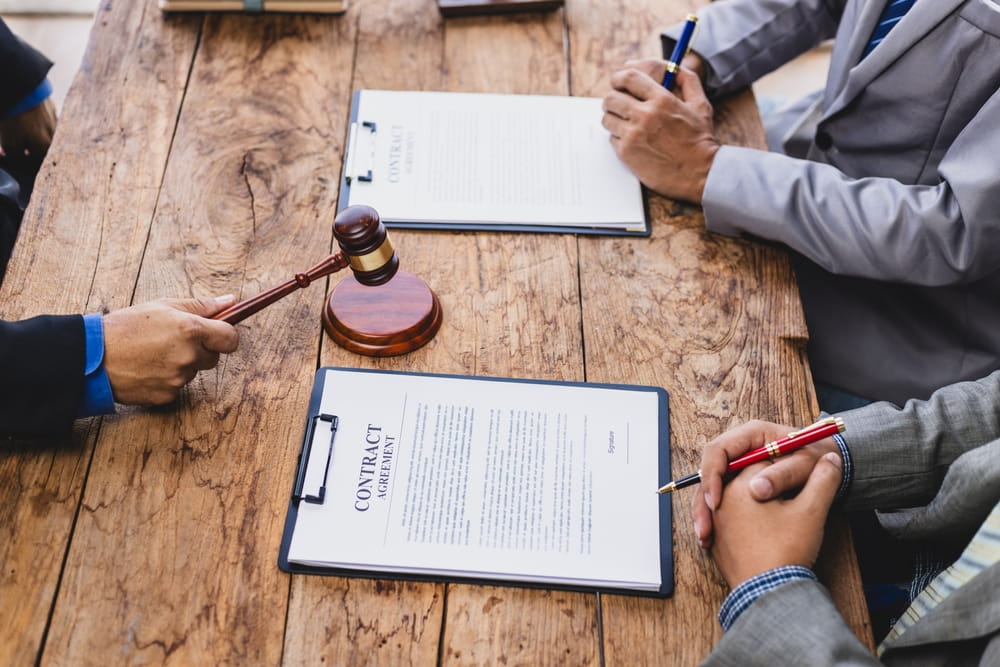
How Mediation and Arbitration Materials Differ
The same contract or invoice can play a very different role depending on the process. Here is how the two compare on the points that shape what to pack:
| Consideration | Mediation | Arbitration |
|---|---|---|
| Purpose of the materials | Help the parties and the mediator understand the dispute and test settlement options | Prove facts to the arbitrator, who decides the dispute |
| Who reviews them | The mediator, and the other side only when a party chooses to share | The arbitrator and every other party |
| Evidence rules | No formal rules of evidence apply to what is discussed | The arbitrator controls how evidence is handled |
| Witnesses | Rarely needed | Often needed, and an arbitrator may issue subpoenas |
| Advance submissions | Often a written mediation statement | Witness and exhibit lists, usually by a set deadline |
| How the session ends | A signed agreement if the parties settle, or no agreement | A written award from the arbitrator |
Because arbitration materials carry evidentiary weight, the preparation window is usually longer and the deadlines firmer than for mediation.
Documents to Bring to a Mediation Session
Mediation moves fastest when key facts are within reach rather than sitting in an inbox back at the office. Useful documents usually include:
- The contract, lease, operating agreement, or other document at the center of the dispute
- Key correspondence that shows how the disagreement developed
- Invoices, estimates, payment records, or financial statements that support the figures being discussed
- A copy of the mediation statement submitted beforehand, along with the other side's statement if it was shared
- A short history of offers and counteroffers already exchanged
- Any court order that required the mediation
Organize the materials so a specific page can be found in seconds, since the mediator may ask about a single clause or figure in the middle of a private caucus. Keep in mind that bringing a document to mediation does not shield it. Under RCW 7.07.030, evidence that is otherwise admissible or discoverable does not become protected just because it was disclosed or used in a mediation.
Who Should Attend a Mediation
The person with authority to say yes is often the most valuable thing a party brings to mediation. Depending on the dispute, the attendees worth planning for include:
- A decision-maker with authority to approve settlement terms, or reliable phone access to that person throughout the day
- Counsel, if the party is represented
- An insurance representative, when an insurer may fund part of a settlement
- Someone who knows the operational details, such as a project manager in a construction dispute or a human resources lead in an employment matter
- An interpreter, if any participant would be more comfortable working in another language
Washington law supports bringing help. Under RCW 7.07.090, an attorney or another individual designated by a party may accompany the party to and participate in a mediation, with a narrower rule when the dispute is pending as a small claims matter. Confirm attendance with the mediator in advance, particularly for any support person or advisor, so every party knows who will be in the room.
What to Bring to an Arbitration Hearing
An arbitration hearing is where each party presents its evidence, and the arbitrator decides based on what is in front of them. Washington's Uniform Arbitration Act, chapter 7.04A RCW, gives parties at a hearing the right to be heard, to present evidence material to the controversy, and to cross-examine witnesses under RCW 7.04A.150(4).
Exhibits, organized and copied
Exhibits are easier for everyone to follow when they arrive in a consistent, numbered format. A common way to prepare them is:
- Number each exhibit and list it in an exhibit index with a short description.
- Prepare a separate set for the arbitrator, for each other party, and for the witness stand, plus a working copy for your own team.
- Mark any exhibits the parties have already agreed can come in without objection.
- Keep originals of key documents available in case authenticity is questioned.
- Bring electronic copies if the hearing will use screen sharing or a projector.
Confirm the arbitrator's preferences before copying anything, since some arbitrators ask for exhibits in advance or accept them only in digital form.
Witnesses and subpoenas
Witnesses need to know when and where to appear, so confirm their availability and give them an estimated time slot rather than asking them to wait all day. When a witness will not appear voluntarily, RCW 7.04A.170 allows an arbitrator to issue a subpoena for the attendance of a witness and for the production of records and other evidence. Those subpoenas are served and enforced in the same manner as subpoenas in a civil action.
Deadlines in court-annexed arbitration
When a Washington superior court sends a civil matter to arbitration, the Superior Court Civil Arbitration Rules apply. Under SCCAR 5.2, each party must serve a list of witnesses and a list of exhibits at least 14 days before the hearing, along with a brief description of what each witness will address, and evidence left off those lists may be barred except with the arbitrator's permission. SCCAR 5.3 also allows certain documents, such as repair estimates, photographs, and written witness statements, to be presumed admissible when served with proper notice at least 14 days ahead. In a private arbitration, the parties' agreement and the arbitrator's scheduling orders set the deadlines instead.
Practical Items for a Long Session Day
Mediation and arbitration sessions can run most of a day, with long stretches of waiting while the neutral works with another party. Pack for the full day:
- A laptop or tablet and charger, with key files available offline
- A notepad and pen for private notes
- A calendar, so follow-up dates can be set before anyone leaves
- Contact information for anyone who may need to approve terms by phone
- Water, snacks, and any medication you may need during the day
- Photo identification, in case the building requires check-in
Small comforts matter more than they seem when a session runs late, and a decision still needs a clear head. Parties coming to Bridges Dispute Resolution's Tacoma or Seattle office can confirm arrival details and building access with the office before the session date.
Preparing for a Virtual Session
A session held over video calls for the same documents and people as an in-person session, plus some technical preparation. Most problems in virtual sessions come from equipment and setting rather than substance.
Test the platform ahead of time
Log in to the video platform a day or two early to check the camera, microphone, and internet connection. Knowing how private breakout rooms work also helps, since caucuses in a virtual mediation usually take place in separate rooms.
Set up documents for screen sharing
Save exhibits and key documents as clearly named files in a single folder so they can be shared without searching. In an arbitration, confirm with the arbitrator how exhibits will be displayed and whether they must be submitted before the hearing.
Choose a private, quiet space
Join from a room where others cannot overhear, because people who are not participants may affect the confidentiality the parties are relying on. Let the neutral know at the start if anyone else is in the room.
What to Leave Behind
Some items create more problems than they solve at a mediation or arbitration session. Deciding in advance what stays home keeps the focus on resolving the dispute.
Recording devices
Washington's privacy statute, RCW 9.73.030, generally prohibits recording a private conversation without the consent of everyone taking part. Recording a session also cuts against the confidentiality that makes mediation work, so leave recording apps and devices off unless every participant and the neutral have agreed otherwise.
Documents you have not reviewed
Any document handed across the table can reveal more than intended, including notes in the margins or unrelated information on the same page. Review everything you plan to show the other side beforehand, and keep private strategy notes separate from materials meant to be shared.
Frequently Asked Questions About What to Bring
Parties preparing for a Washington mediation or arbitration often ask these questions.
Do I need to bring a lawyer to mediation in Washington?
Washington does not require a party to bring a lawyer to mediation, but RCW 7.07.090 generally allows a party to be accompanied by an attorney or another person the party designates. A party attending without counsel may still want a lawyer to review any proposed settlement terms before signing.
Can I bring a friend or family member to mediation?
Washington's Uniform Mediation Act generally allows a party to bring an individual the party designates, but the mediator and the other side should know in advance. A support person usually takes part as a nonparty participant, and the engagement agreement may address how confidentiality applies to that person.
Are the documents I bring to mediation confidential?
Mediation communications are privileged in Washington under RCW 7.07.030, but documents that exist independently of the mediation do not become protected just because they were used there. Broader confidentiality depends on what the parties agree to or what other law provides under RCW 7.07.070.
How many copies of exhibits should I bring to an arbitration hearing?
A common practice is to bring one set of exhibits for each arbitrator, one for each other party, one for the witness, and one for your own use. The arbitrator's prehearing order or instructions control, so check them before making copies.
Can I bring new evidence to an arbitration hearing in Washington?
In a Washington court-annexed arbitration, evidence not disclosed in the prehearing statement under SCCAR 5.2 may be barred unless the arbitrator allows it. Private arbitration works differently: the parties' agreement and the arbitrator's orders govern, and RCW 7.04A.150 gives the arbitrator broad discretion over how the hearing is conducted.
How long does a mediation session last?
Many mediation sessions are scheduled for a half day or a full day, though complex or multi-party disputes may take longer or require more than one session. Ask the mediator how much time to reserve so that decision-makers do not have to leave before the session ends.
Schedule a Session With Bridges Dispute Resolution
Arriving with the right documents and the right people lets the session focus on resolution instead of logistics. Bridges Dispute Resolution provides mediators and arbitrators for parties and counsel in Tacoma, Seattle, and across Western Washington. To schedule a consultation or ask what a particular session will require, call the Tacoma office at (253) 327-6778 or the Seattle office at (206) 621-1110.